

2024 Annual Report


BUILDING
FRESH
STARTS

BUILDING FRESH STARTS
CONTENTS
A NOTE FROM OUR DIRECTORS
‣ Building Fresh Starts
‣ Finding Strength in Community
‣ Stephanie’s Journey
to Homeownership
‣ A Vision for Organizational
and Community Resilience

‣ Finding Home and Hope in Brattleboro
‣ Creating a Housing Future
for Windham & Windsor Counties

A NOTE FROM OUR DIRECTORS
Building Fresh Starts
Dear Housing Trust Friends,
The fundamental importance of safe, decent, and affordable housing in fostering stability and well-being has long been recognized. However, the current shortage of available homes is unprecedented. This reality underscores our mission to create housing opportunities for both new homebuyers and renters, a commitment that we proudly advanced in 2024 through several key initiatives:
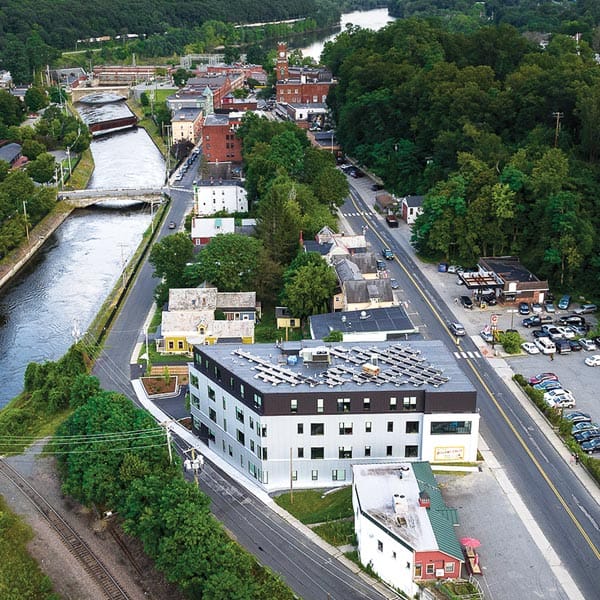
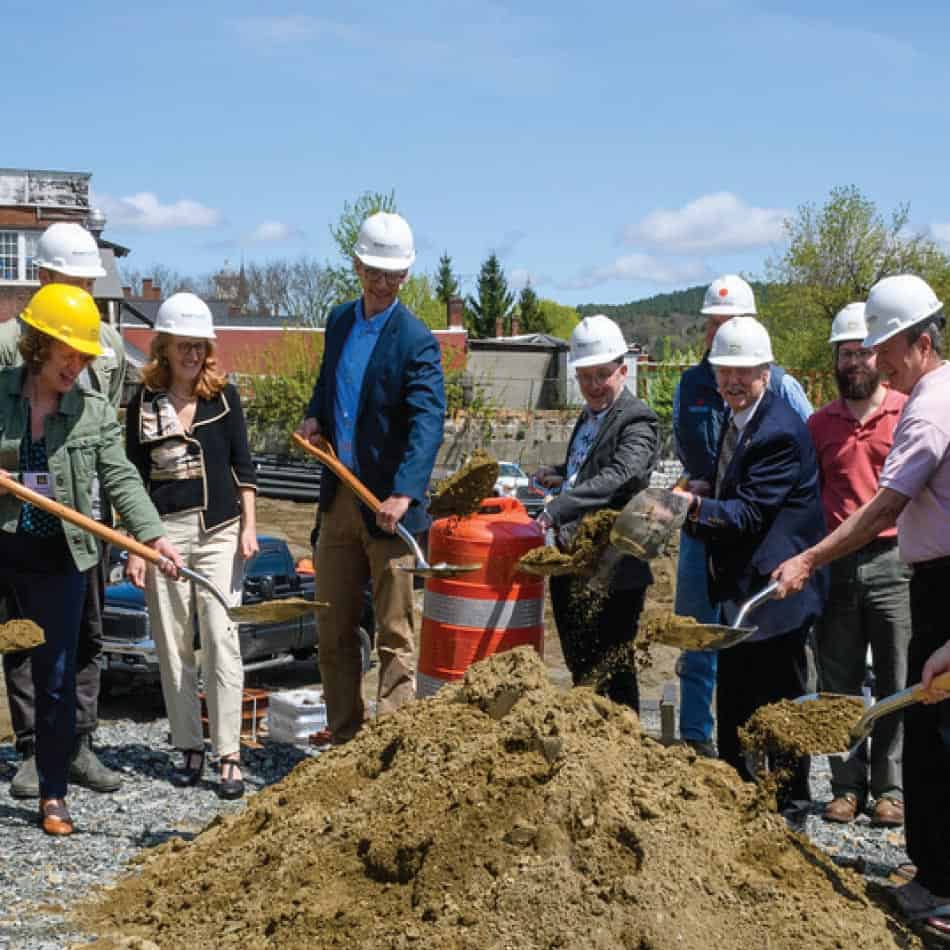
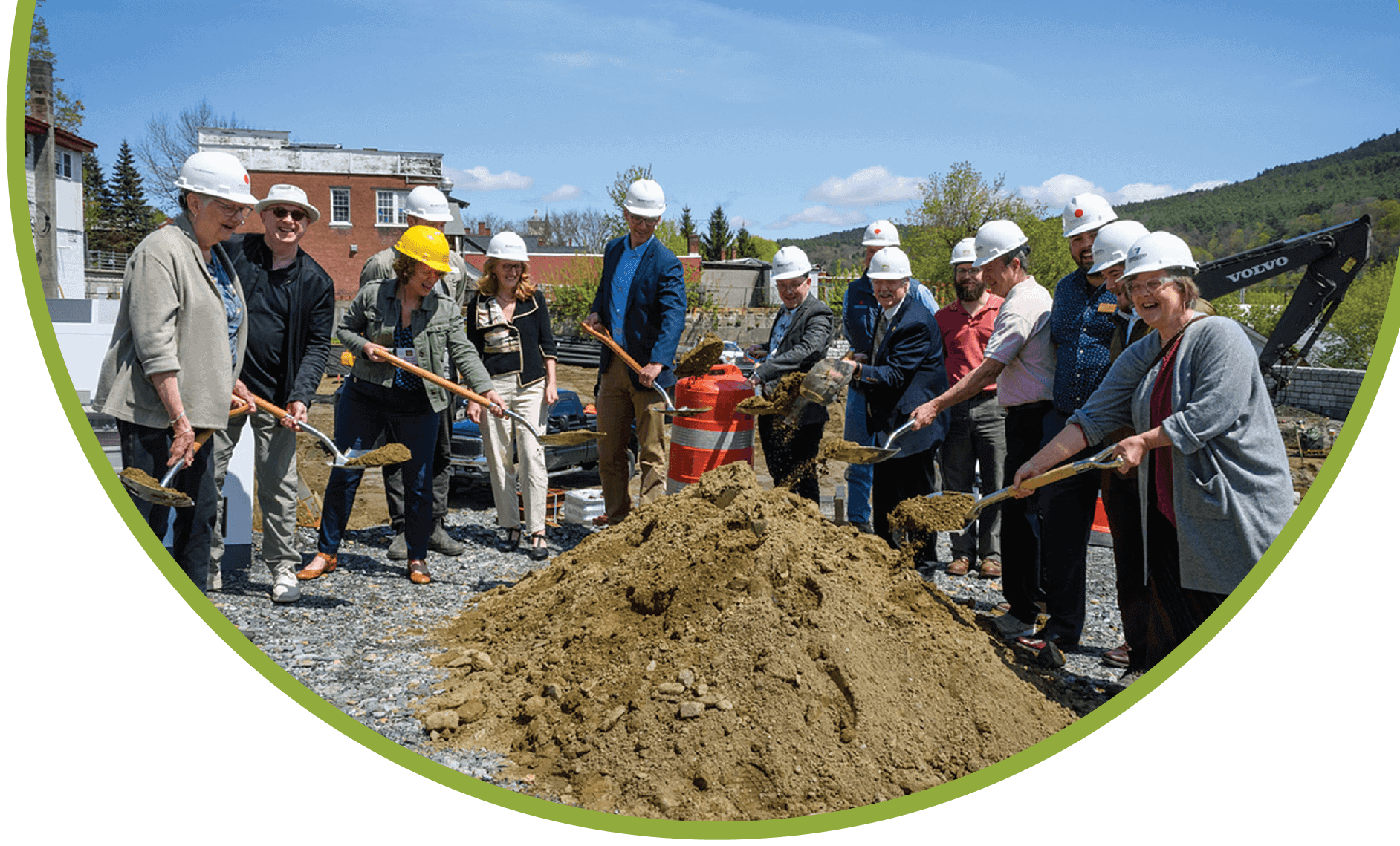
- Early in the year, we broke ground at Central & Main, launching the construction of 25 new energy-efficient rental homes in Windsor, which will also revitalize the village streetscape by utilizing long-vacant spaces.
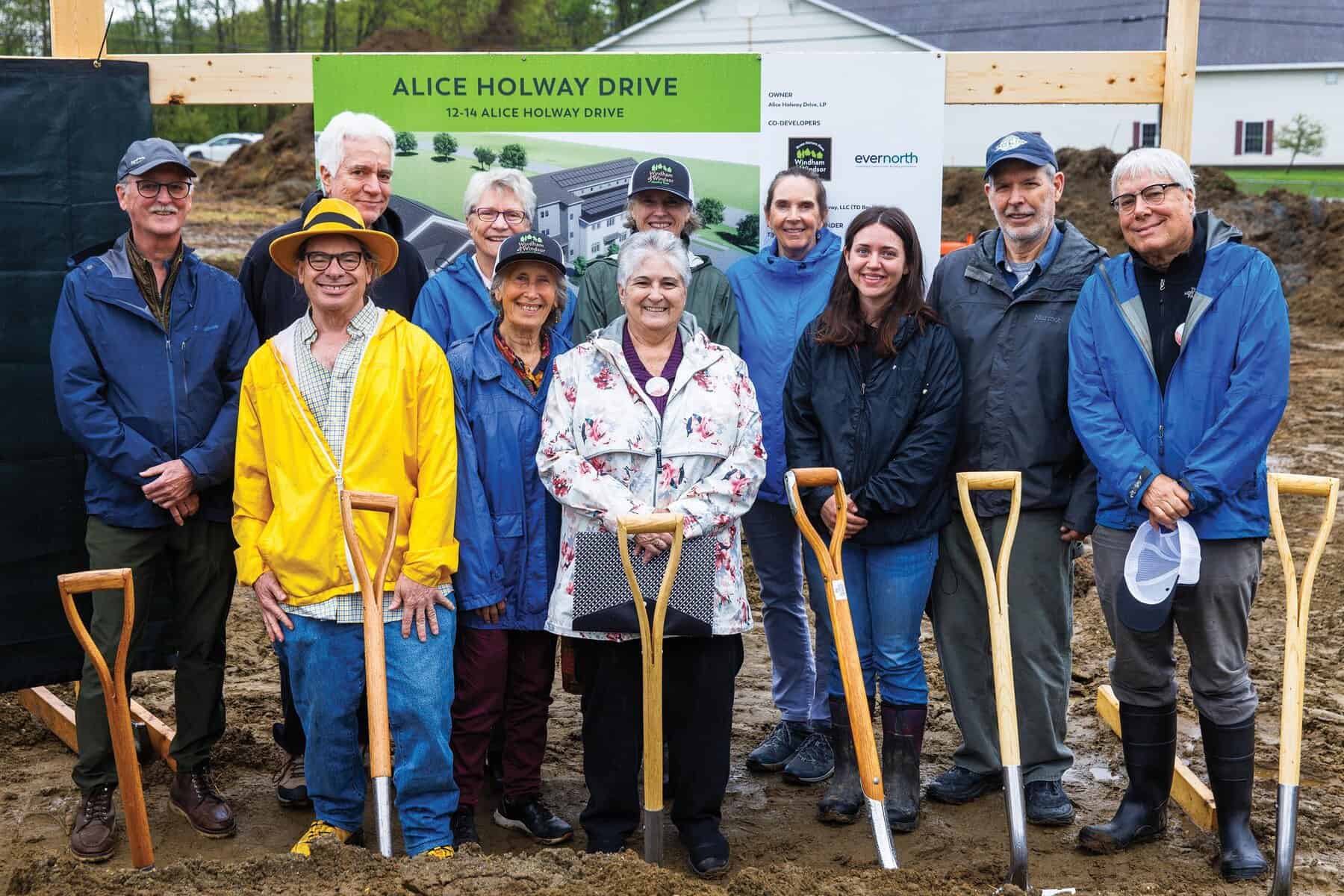
- We successfully navigated the appeals process in Putney to move forward with Alice Holway Drive, a village project that will add another 25 new homes in Southeastern Vermont while preserving the cherished community gardens and Farmer’s Market located on an adjacent parcel.
- In West Brattleboro, we engaged with existing residents during the predevelopment phase of the 17-acre parcel at the Chalet, ensuring their needs were incorporated into the site and building designs. Upon completion of this multi-phase project, the neighborhood will feature 70 new homes for both rental and ownership, fostering a diverse income community.
- We witnessed a record number of homebuyers participating in our Shared Equity Program in 2024, which not only provides stability for new homeowners but also maintains affordability for future generations of Vermonters.
- Additionally, through Vermont’s Housing Improvement Program, we facilitated the creation of 30 new homes in 2024 by rehabilitating long-vacant units, thereby increasing options for renters.
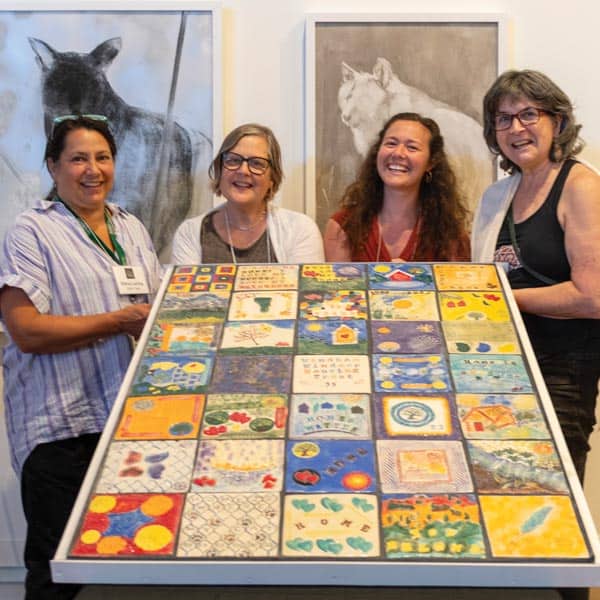
In 2024, we also reinforced our commitment to the well-being of residents in Housing Trust rental properties. We expanded our SASH For All pilot program in Brattleboro to encompass residents of all ages, while also introducing new initiatives in our traditional SASH program in Windsor to combat food insecurity. These two programs, which served over 300 individuals in 2024, emphasize health and well-being by providing support ranging from safe transitions home after surgery to resources for improving mental health, as well as fostering community through shared meals and collaborative art projects.
The stories shared in this report vividly illustrate our mission and highlight the profound impact of stable housing and necessary support on individuals’ lives. They inspire us and reaffirm the significance of our work, demonstrating the tremendous difference we make in people’s lives every day. It is a genuine honor to serve our region in this capacity, and we are sincerely grateful for the support we have received from the community, our institutional funders, and individual donors. Thank you.
With gratitude,
|
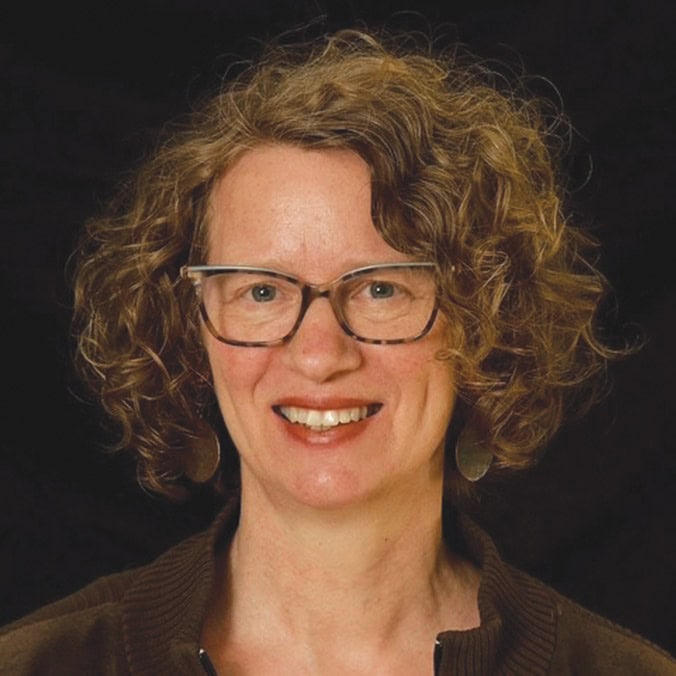
Elizabeth Bridgewater
Executive Director  |
Victor Morrison
Board President  |
A NOTE FROM OUR DIRECTORS
Building Fresh Starts
Dear Housing Trust Friends,
The fundamental importance of safe, decent, and affordable housing in fostering stability and well-being has long been recognized. However, the current shortage of available homes is unprecedented. This reality underscores our mission to create housing opportunities for both new homebuyers and renters, a commitment that we proudly advanced in 2024 through several key initiatives:
- Early in the year, we broke ground at Central & Main, launching the construction of 25 new energy-efficient rental homes in Windsor, which will also revitalize the village streetscape by utilizing long-vacant spaces.
- We successfully navigated the appeals process in Putney to move forward with Alice Holway Drive, a village project that will add another 25 new homes in Southeastern Vermont while preserving the cherished community gardens and Farmer’s Market located on an adjacent parcel.
- In West Brattleboro, we engaged with existing residents during the predevelopment phase of the 17-acre parcel at the Chalet, ensuring their needs were incorporated into the site and building designs. Upon completion of this multi-phase project, the neighborhood will feature 70 new homes for both rental and ownership, fostering a diverse income community.
- We witnessed a record number of homebuyers participating in our Shared Equity Program in 2024, which not only provides stability for new homeowners but also maintains affordability for future generations of Vermonters.
- Additionally, through Vermont’s Housing Improvement Program, we facilitated the creation of 30 new homes in 2024 by rehabilitating long-vacant units, thereby increasing options for renters.
In 2024, we also reinforced our commitment to the well-being of residents in Housing Trust rental properties. We expanded our SASH For All pilot program in Brattleboro to encompass residents of all ages, while also introducing new initiatives in our traditional SASH program in Windsor to combat food insecurity. These two programs, which served over 300 individuals in 2024, emphasize health and well-being by providing support ranging from safe transitions home after surgery to resources for improving mental health, as well as fostering community through shared meals and collaborative art projects.
The stories shared in this report vividly illustrate our mission and highlight the profound impact of stable housing and necessary support on individuals’ lives. They inspire us and reaffirm the significance of our work, demonstrating the tremendous difference we make in people’s lives every day. It is a genuine honor to serve our region in this capacity, and we are sincerely grateful for the support we have received from the community, our institutional funders, and individual donors. Thank you.
With gratitude,
|
Elizabeth Bridgewater
Executive Director |
Victor Morrison
Board President |
JUNE’S STORY:
Finding Strength in Community
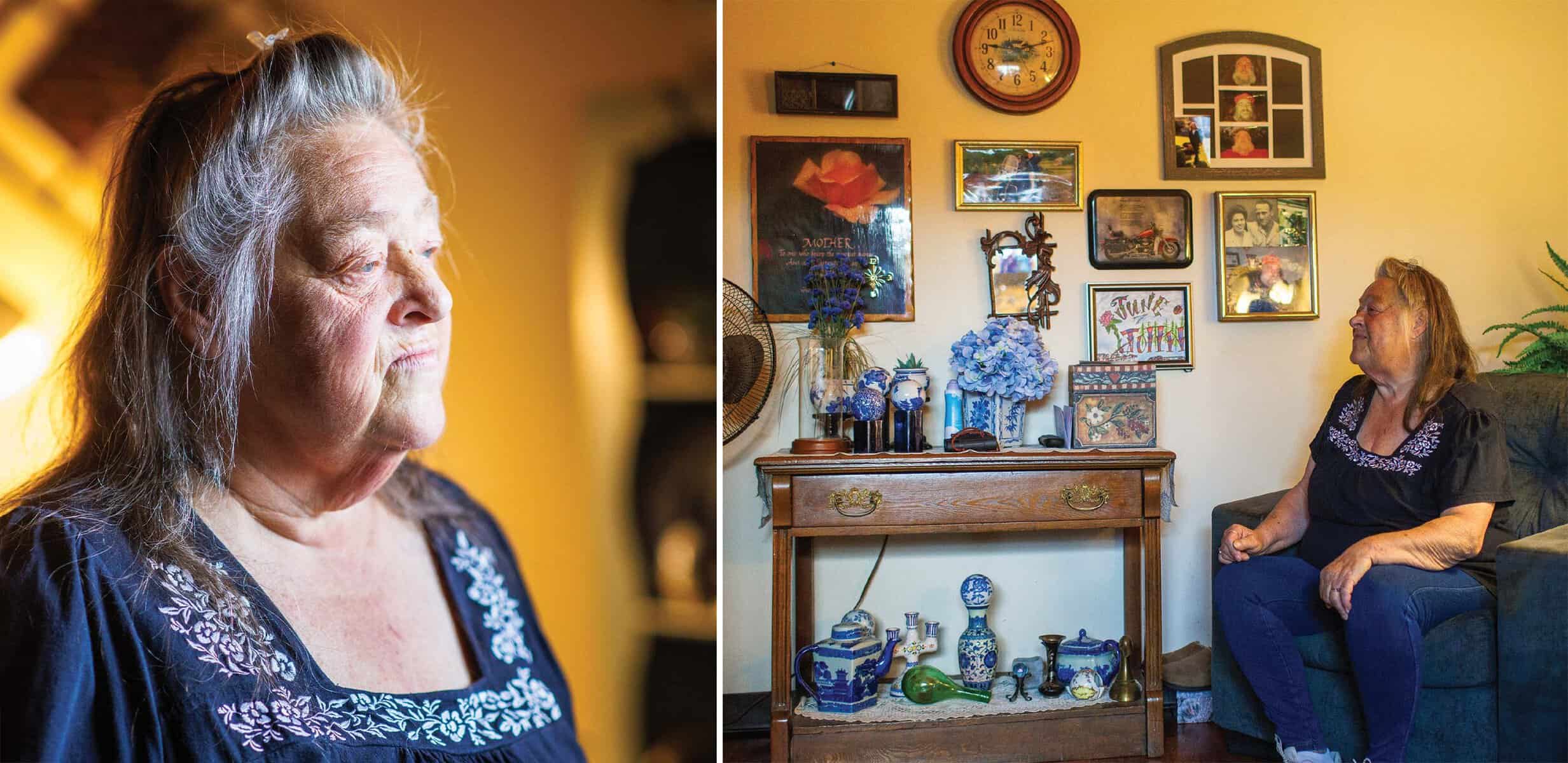
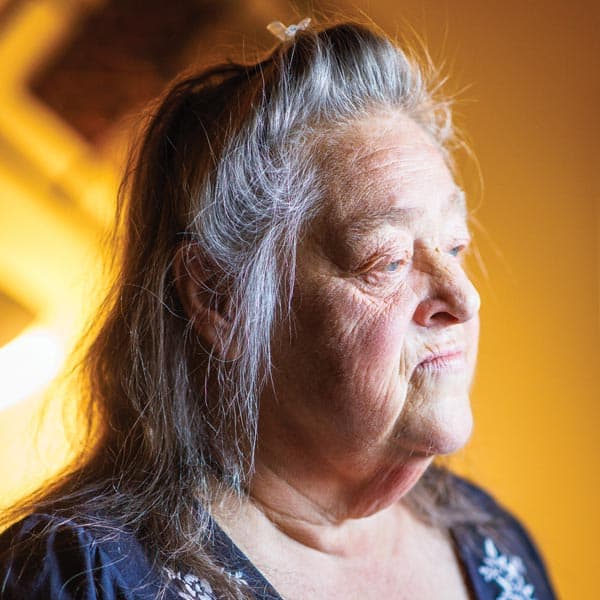
Windsor has always been home for June. Now in her 70’s, she has spent her entire life here, and when she and her husband, John, moved to Windsor Village, they thought it would be a peaceful place to enjoy their later years together. But life had other plans.
Not long after settling in, John’s health declined, and he passed away in their apartment — a heartbreaking moment that left June feeling lost. “It was very hard for me,” she says. “We were together for 49 years. We were soulmates.”
June found solace in the Windsor Village community and the unwavering support of the SASH team. “Everybody in this building was here for support, especially Molly and Jenny. They just kept me going. I don’t know what I would have done without them. They just talked to me all the time, and gave me hugs, lots of hugs. They really got me through it.”
Determined to keep herself busy, June went back to work and took up daily walking. But soon, persistent hip pain made even the simplest movements unbearable. “It got progressively worse, and I couldn’t ignore it anymore,” she recalls. The SASH team once again stepped in, encouraging her to seek medical care.
With their support, June underwent hip replacement surgery in December. “One of the best things I’ve ever done,” she says. “I was out of the hospital the next day, walking around. They couldn’t believe it.” When she returned home, the SASH team made sure she had everything she needed, including meals from the frozen meal program.

Today, June is back to walking every day, pain-free. She cherishes her home at Windsor Village, where she feels safe, supported, and cared for. “I’m just so appreciative to live here. Everything’s included, the laundry’s right here, and the community room — it’s just so convenient,” she says. “And Molly does so much for us — the fresh veggies, the meals, the check-ins — she goes out of her way for people. She’s fabulous, that woman.”
For June, Windsor Village is more than just a place to live, it’s a community that has carried her through loss and healing. “This building, this program — it’s been a blessing,” she says. “I want people to know that.”


A NEW CHAPTER:
Stephanie’s Journey
to Homeownership
A NEW CHAPTER:
Stephanie’s Journey to Homeownership
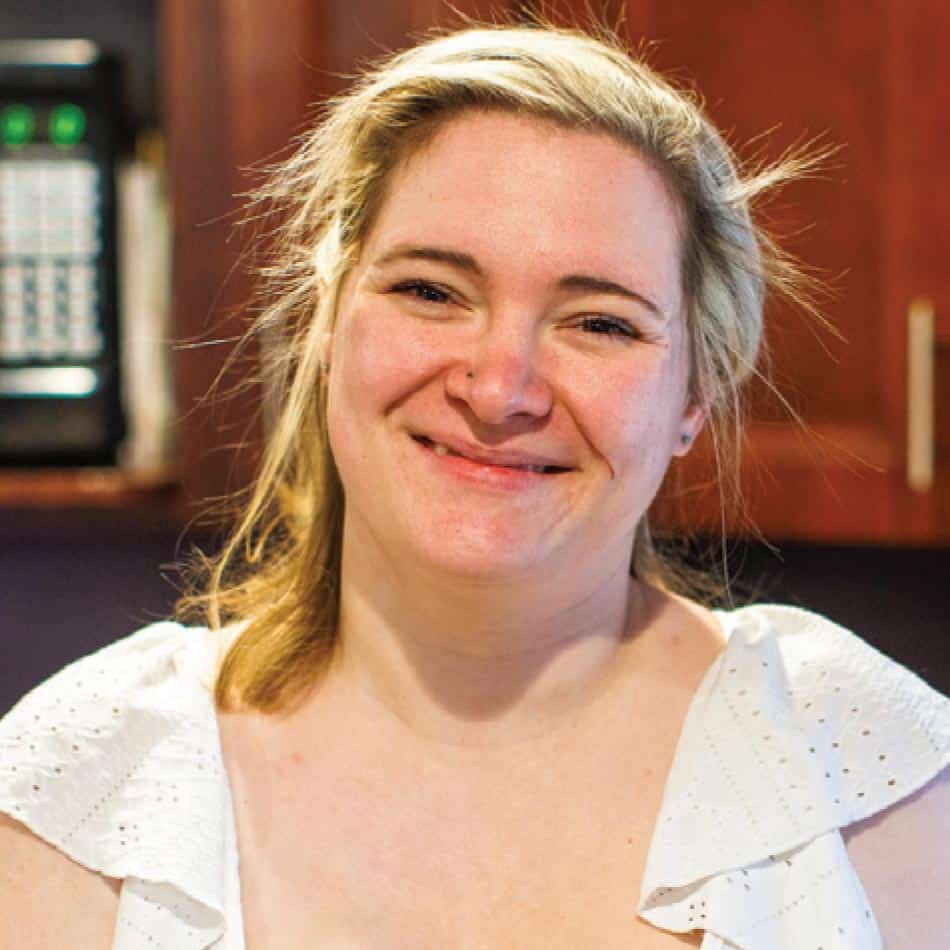
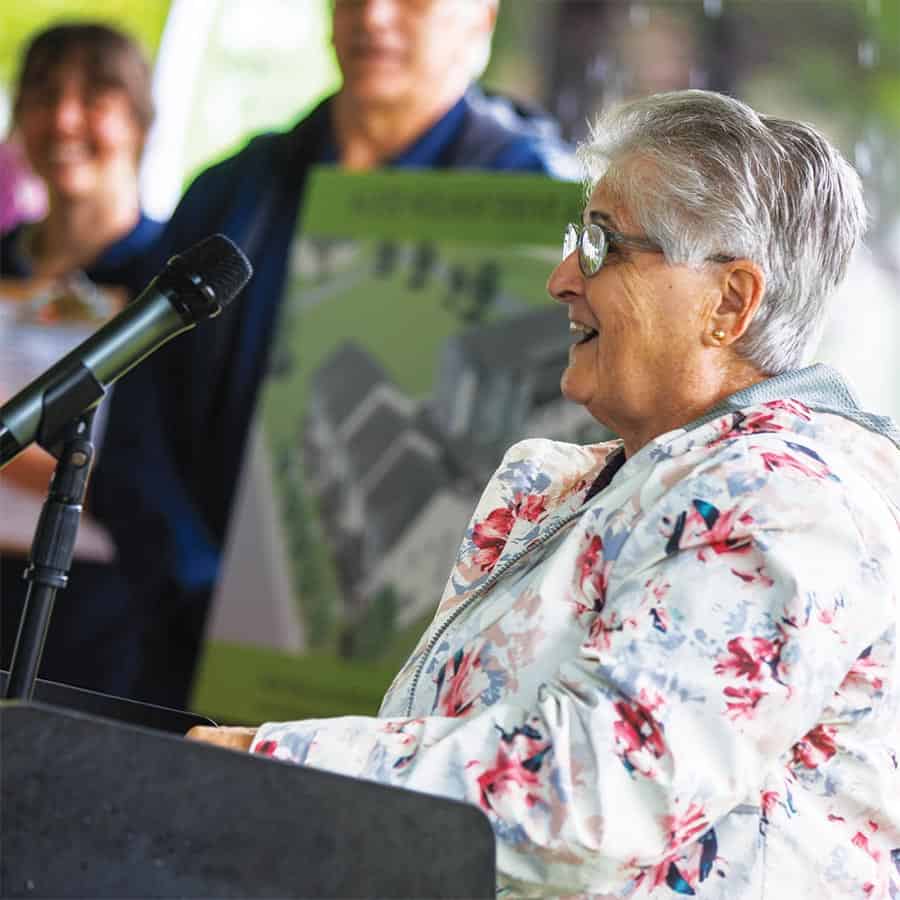
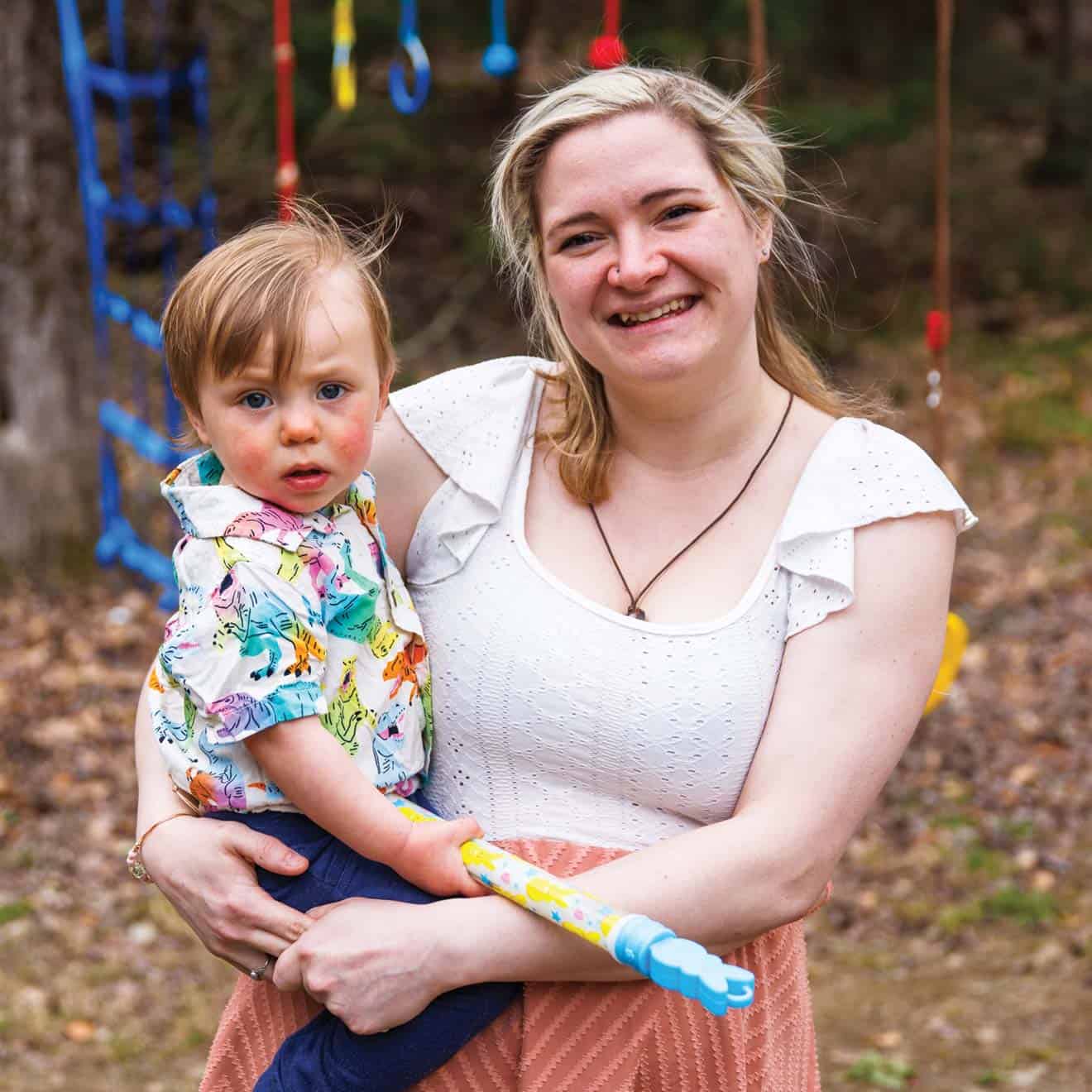
Alittle over a year ago, the concept of homeownership felt completely out of reach for Stephanie. As a newly single mother of three young boys, she found herself in a tough spot—homeless and forced to move back in with her own mother. It was a stressful time, but she never stopped envisioning a better future for her family.
In December of 2024, Stephanie’s vision became a dream come true, as she closed on her new home in Putney under WWHT’s Shared Equity Homeownership Program.
Stephanie first learned about WWHT’s Shared Equity Homeownership Program through a colleague who had successfully purchased a home through the program. Inspired by her co-worker’s experience, Stephanie took the first step by attending the required homeownership workshop. She sums up her entire experience working with WWHT with one word.
“Incredible. It was actually super incredible. I had a lot of realtors that I was working with, and they do their best to find something that’s a good fit for you, but having Kayla as a resource – she thought about a lot of things that my realtor actually didn’t. The financial piece was a really big asset, but I think the biggest asset was actually Kayla.”
As a single mother with a limited income, Stephanie acknowledges that without the Shared Equity Program, homeownership would have remained unattainable. “I wouldn’t have had an opportunity to buy a house or have a down payment for a house without it,” she says. “I definitely got into a nicer house and a nicer town than I would have otherwise. Putney has an incredible school system, and that’s really the education opportunity I wanted for my family.”
As someone who had always rented, Stephanie was grateful for the knowledge, experience and advocacy of everyone at WWHT as she pursued homeownership. “Kayla and Bruce worked really hard to make sure they were always available for me,” Stephanie recalls. “They expedited things when they needed to. I really wanted to be in my home before Christmas, and they pushed to make sure that happened.”
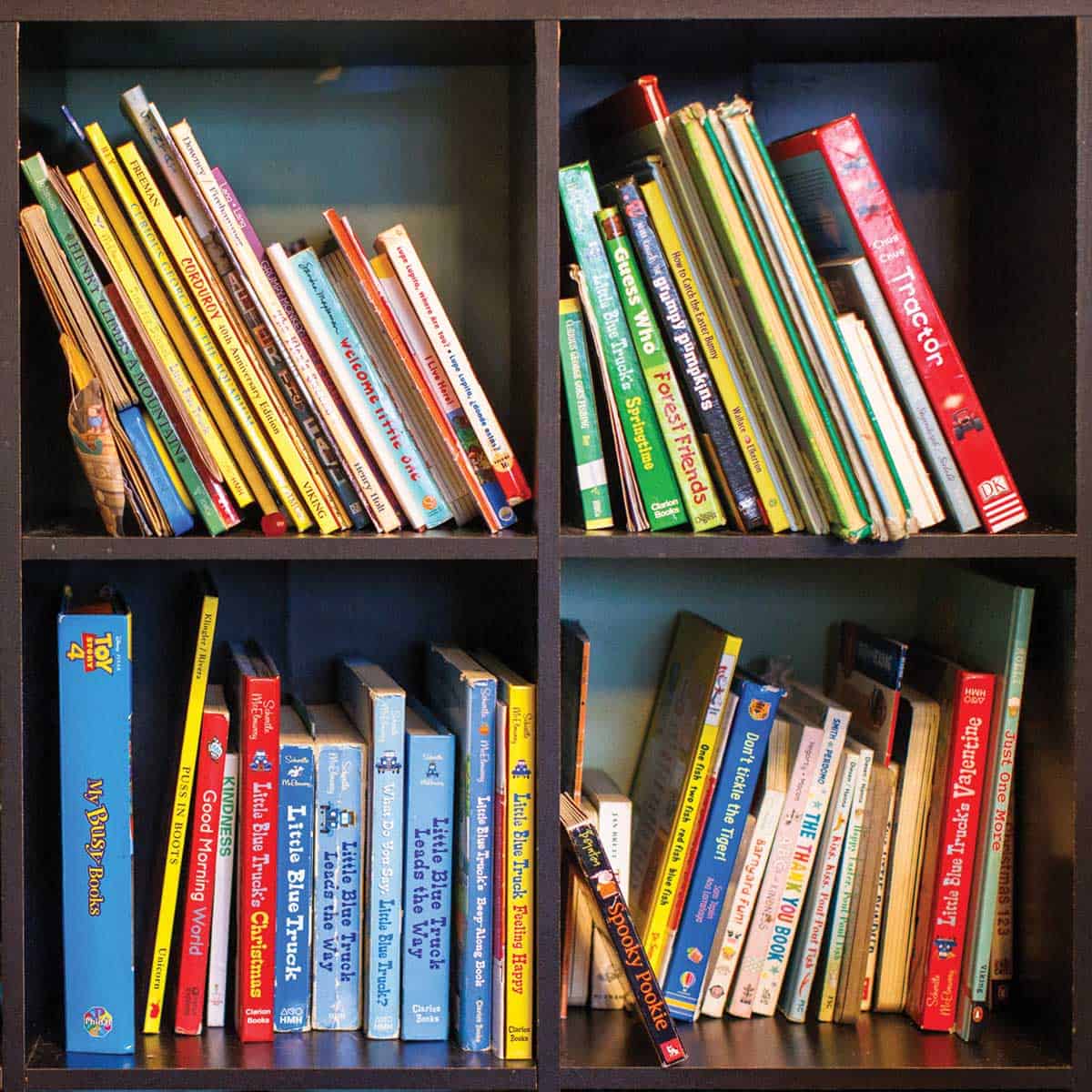
Although her basement is unfinished, Stephanie is already looking at WWHT’s home repair program to make improvements. “That’s another benefit of working with WWHT,” she says. “Through their home repair program, I’ll have the opportunity to make these improvements sooner rather than later.”
Stephanie believes Shared Equity Homeownership is a tremendous option for first-time homebuyers who are ready to make the move but are limited by their financial resources.
“Our region is filled with a similar population of single parents who really need to get out of renting and into a home,” she says. “Renting costs about as much as owning does right now, which is really scary for people. But when you own, you’re investing in something that’s yours.”

2025–2027 Strategic Plan:
A Vision for Organizational and Community Resilience
2025–2027 Strategic Plan:
A Vision for Organizational and Community Resilience
Strategic planning is a vital process for any organization, but for Windham & Windsor Housing Trust it is a dynamic and integrated effort that guides meaningful action. The organization’s latest Strategic Plan is a testament to thoughtful engagement, extensive research, and an unwavering commitment to addressing critical housing challenges in our community.
For Executive Director Elizabeth Bridgewater, strategic planning is more than a procedural necessity — it’s a passion. “I love strategic planning — it’s one of my favorite things, and I’m proud to say that none of our plans have just sat on the shelf when we’re done. They have provided clear direction to the organization on how to invest our resources, both human and financial. It also presents us with the opportunity to intentionally discuss and reaffirm our commitment to our mission and community.”
To guide the year-long process, WWHT engaged consultant Maggie Foley, an experienced strategic planner with strong ties to the community.
“What stood out to me was how the staff at WWHT are driven by doing the right thing, and by their hearts and by their care for the community,” says Foley. “You know that, and then you learn it on a deeper level when you see it in action. This plan is a testament to the power of collaboration, strategic thinking, and a commitment to both compassion and accountability.”
Through Foley’s extensive stakeholder engagement with broad participation across the community, including conversations with residents, staff, board members, municipal leaders, and local service providers, key themes rose to the surface which steered the planning discussions and strategic directions:
- Resident Safety and Well-being;
- Financial Health and Staff Retention;
- Program Adaptability and Innovation.
“The crippling housing crisis is the most obvious challenge, but the predatory and destructive nature of fentanyl and opioid trafficking significantly impacts the communities we serve, particularly in the Southern region of our service footprint. These realities compelled us to dig into different data sets than those referenced for past plans.”
A review of Vermont’s Point in Time count, which collects data on community members experiencing homelessness, revealed an increase in the concentration of Vermonters finding shelter in Brattleboro’s motels over the past 5 years. The data revealed rates in Windham and Windsor Counties increasing while rates in other counties have decreased. This has resulted in additional demand for services provided by many of our social services partners, municipal staff, and medical resources. The organization also dug into law enforcement data to identify trends in police calls to our properties and to better understand how these fit into the larger context of public safety at the community level.
The themes, informed by data, produced key strategic initiatives that will be implemented over the next three years in addition to the organization’s core work. With so much active collaboration throughout the planning process, the organization was able to hit the ground running in 2025, already taking strides within these strategic directions. In the following, Elizabeth discusses the key strategic takeaways alongside resulting actions.
What stood out to me was how the staff at WWHT are driven by doing the right thing, and by their hearts and by their care for the community.
—Consultant, Maggie Foley
Strategy 1: Strengthen partnerships with community organizations, law enforcement and social service providers to create safer living environments;
Elizabeth: “As housing providers, we sit at the critical intersection of well-being and accountability. What does that look like in terms of accessing support for an individual while also protecting the safety in a neighborhood setting? That’s the question we were able to dive into during the planning process and the answers we found have helped us develop new strategies.
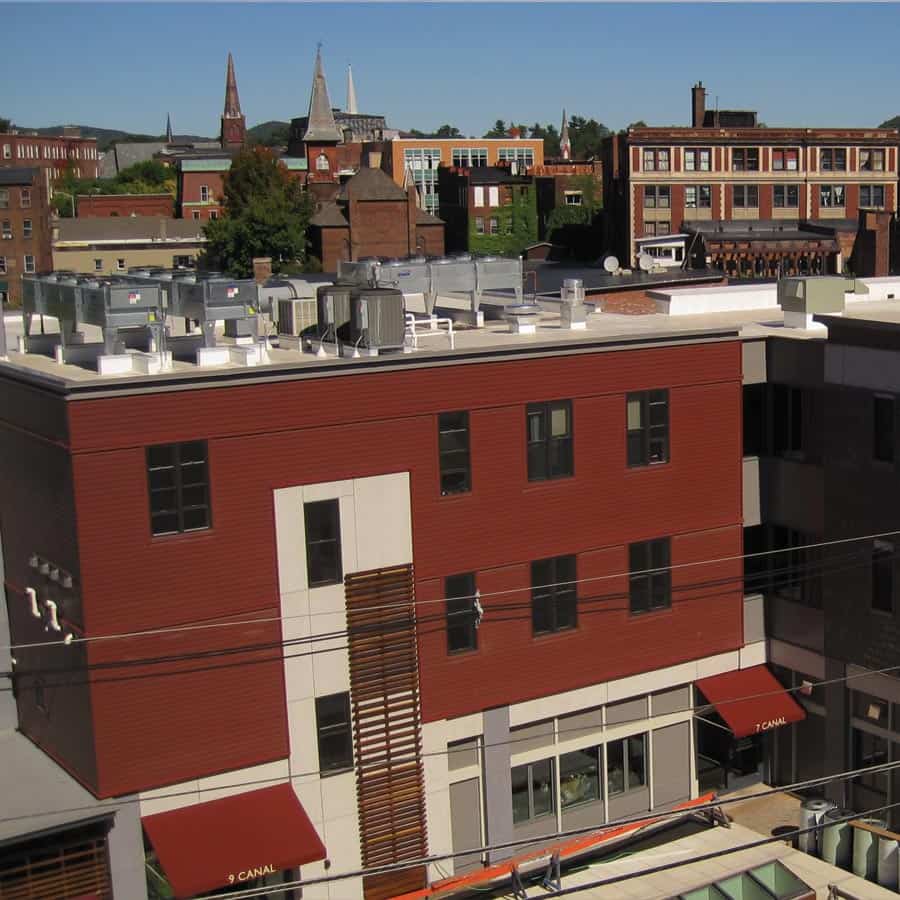
“Deepening our partnerships with local resources has already made a tangible difference. To use one property in downtown Brattleboro as an example: when there were serious pressures around safety for both residents and staff, we leaned into finding new ways to work with our community and with partners. Not only did we do our due diligence as property managers, we also brought resources right to the neighborhood and we looked to the One Brattleboro group for additional ideas. And we’ve had results. Recently a resident shared his experience completely unprompted on Front Porch Forum.”
“Living here at 9 Canal Street in the last few months it has returned to the family and community friendly place as it was when I first moved here. If you are looking for a nice living environment downtown. With the efforts of the police department, town government, and Windham Windsor Housing Trust downtown Brattleboro has become a livable place again.
Thank you to all the folk for your efforts that have been made to bring back the compassion and welcoming community I know Brattleboro to be.”
—Mark Raymond, resident 9 Canal.
Strategy 2: Implement restorative practices across neighborhoods to build community
Elizabeth: “Well-being and safety really rely on a foundation of strong community relationships. Building connection between neighbors makes for a more resilient neighborhood. We identified restorative practices as a key strategy because of their strong base in community connection. This is beneficial across our programs and across our geographic footprint.
“As a result, we’ve worked closely with Interaction (formerly Youth Services) and have completed a full staff training on restorative practices. We’ve brought these practices to a neighborhood level at Upper Story housing in downtown Brattleboro. Interaction has facilitated two restorative circles with both staff and residents participating. The most recent circle focused on how the neighborhood can build community. This just shows the power of this model as a functional tool to bring residents together in a meaningful way.”
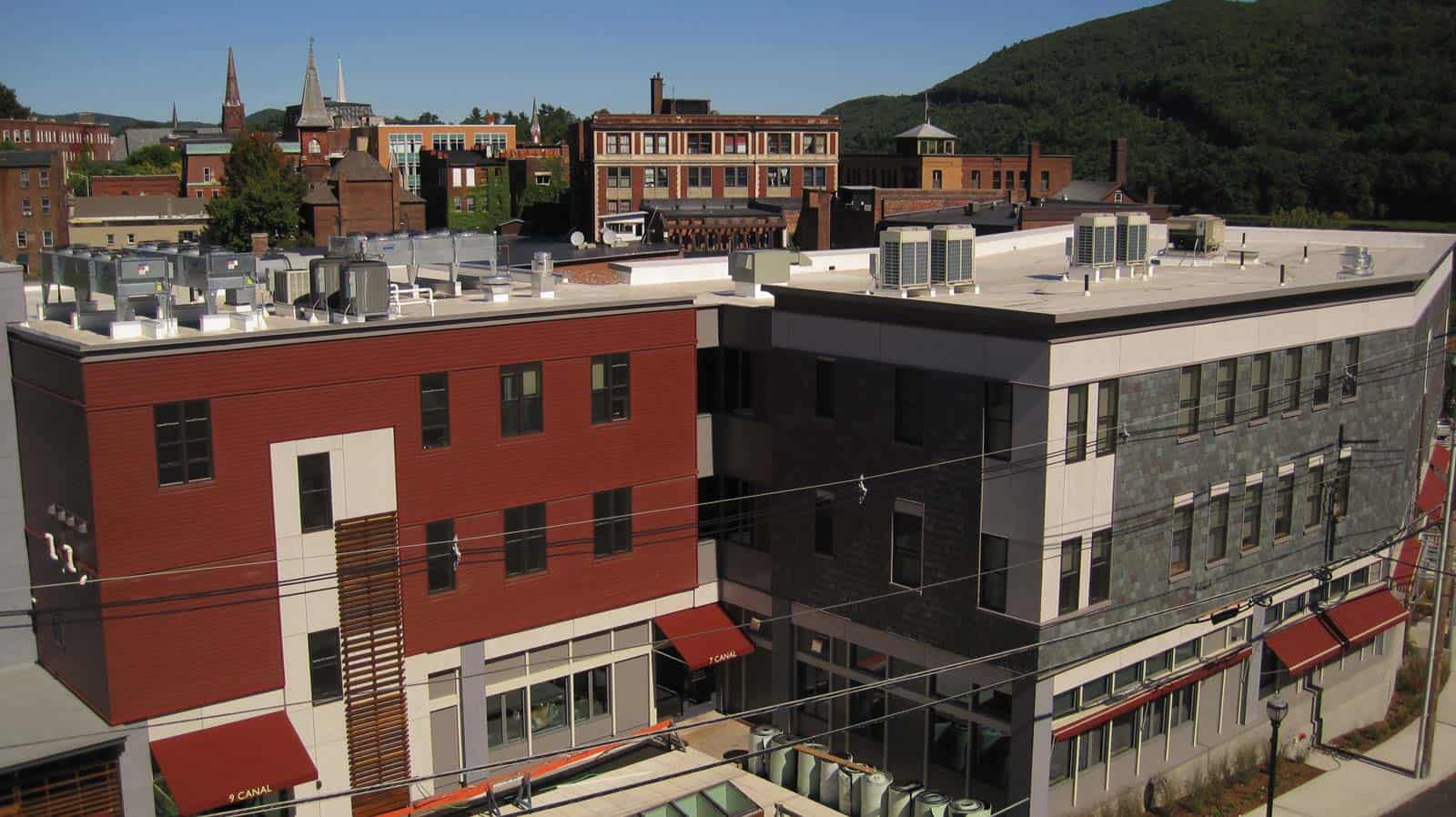
9 Canal Street, Brattleboro
One Brattleboro is designed to improve community resilience, safety, and public health by fostering collaboration among key local stake-holders, implementing best practices, and addressing root causes such as poverty, isolation, and mental health challenges.
Strategy 3: Invest in infrastructure and operational improvements to enhance efficiency and accessibility for residents;
Elizabeth: “Over the last three years, we’ve put a concerted effort into updating our data management systems in the Homeownership Center which has been really successful. Now it’s time to shift our attention to our Property Management operations. With the help of an anonymous donor, we have been able to contract a new web-based property software that will enable our residents and applicants to interact with us with a level of transparency that our current system does not allow.
“In addition, it’s going to better support our maintenance team and property management staff in their daily tasks as well as integrate our property finances into the system. This major overhaul will streamline workflows and eliminate many manual processes resulting in a much more efficient and responsive property management operation, ultimately improving our service model for residents. Although the transition process will take months, we are looking forward to the results of improving our services delivery model.”
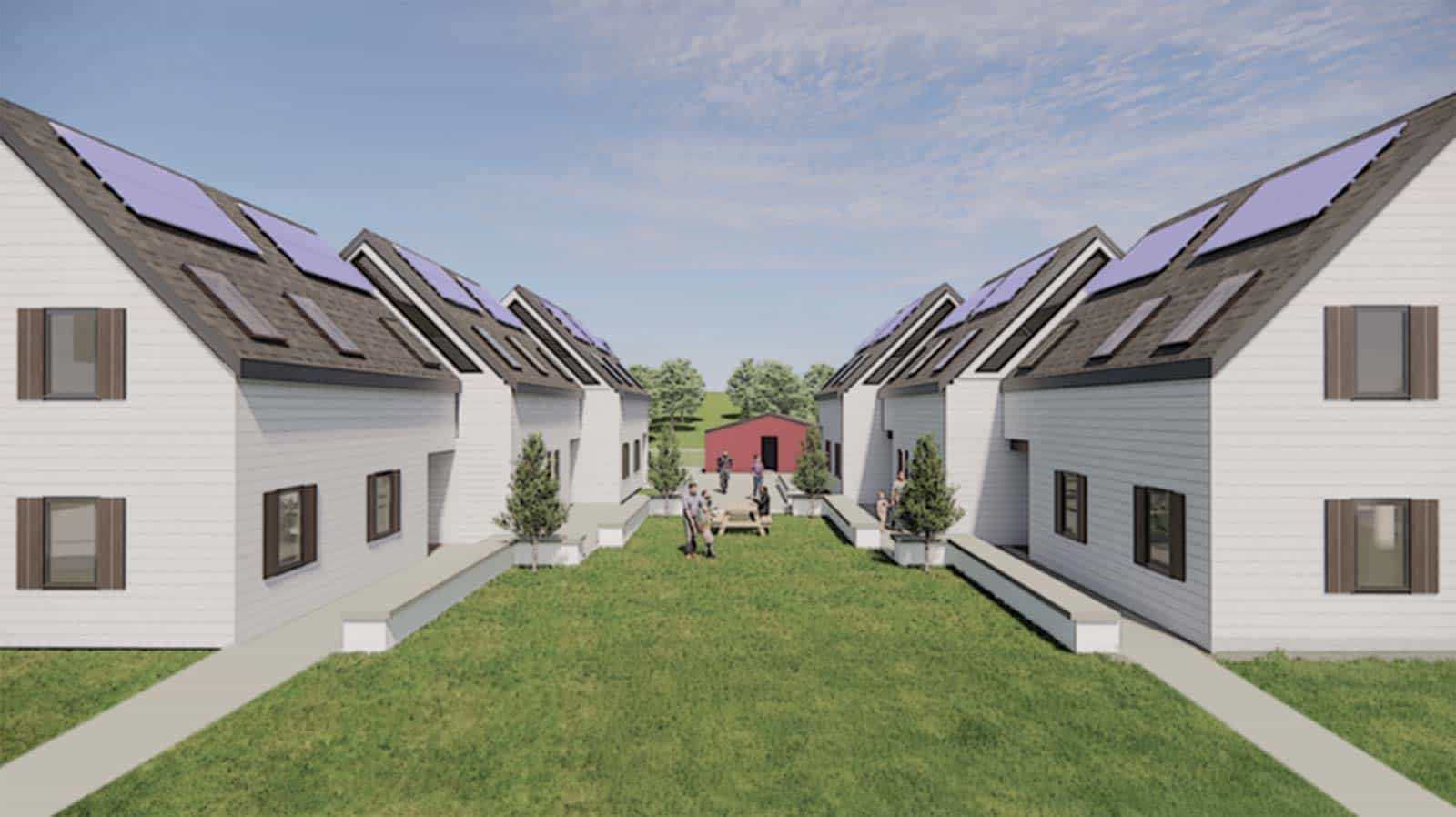
Mondon Commons schematics, Putney
Strategy 4: Expanding affordable homeownership development opportunities
Elizabeth: “For the first time since 2007, the organization is dedicating resources to homeownership development projects, including a site plan for eight Shared Equity homes at the Chalet property and exploring a replicable model through modular construction. This leverages the strengths in both the Homeownership Department and Housing Development and marks a significant expansion of WWHT’s impact beyond rental housing.
“We’re excited about this expanded focus in addressing our region’s housing shortage. There’s a real need for affordable homeownership opportunities in Southeast Vermont and we have a list of hopeful homebuyers looking for a place to settle into.
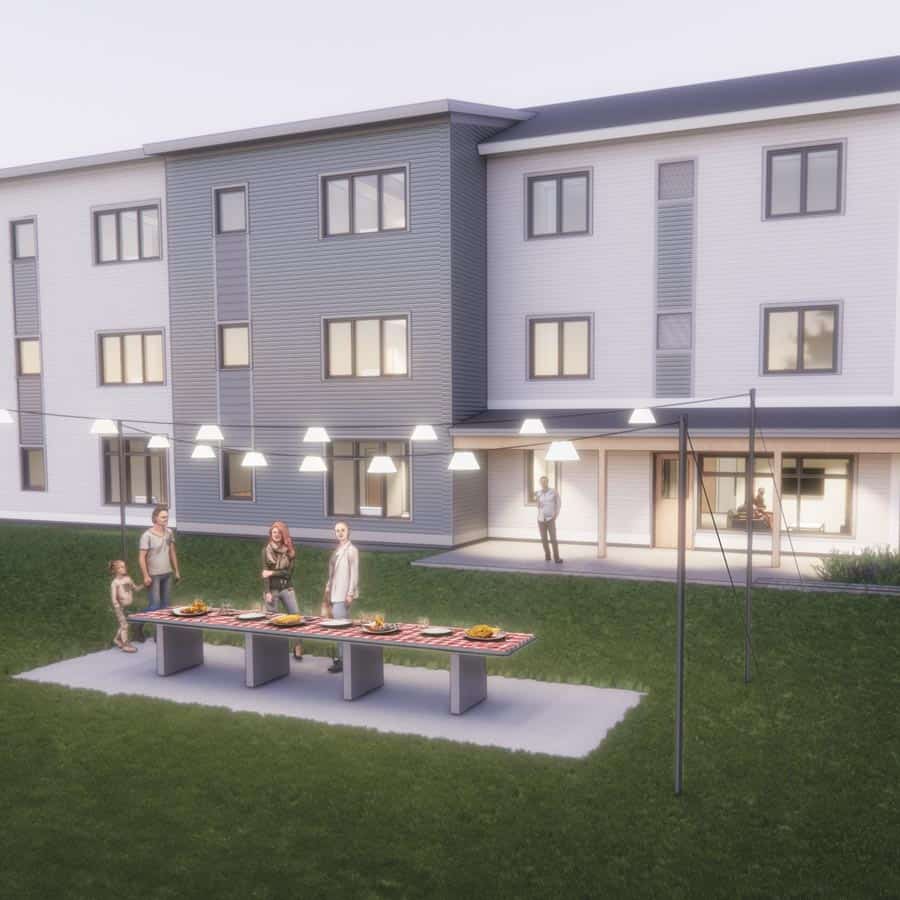
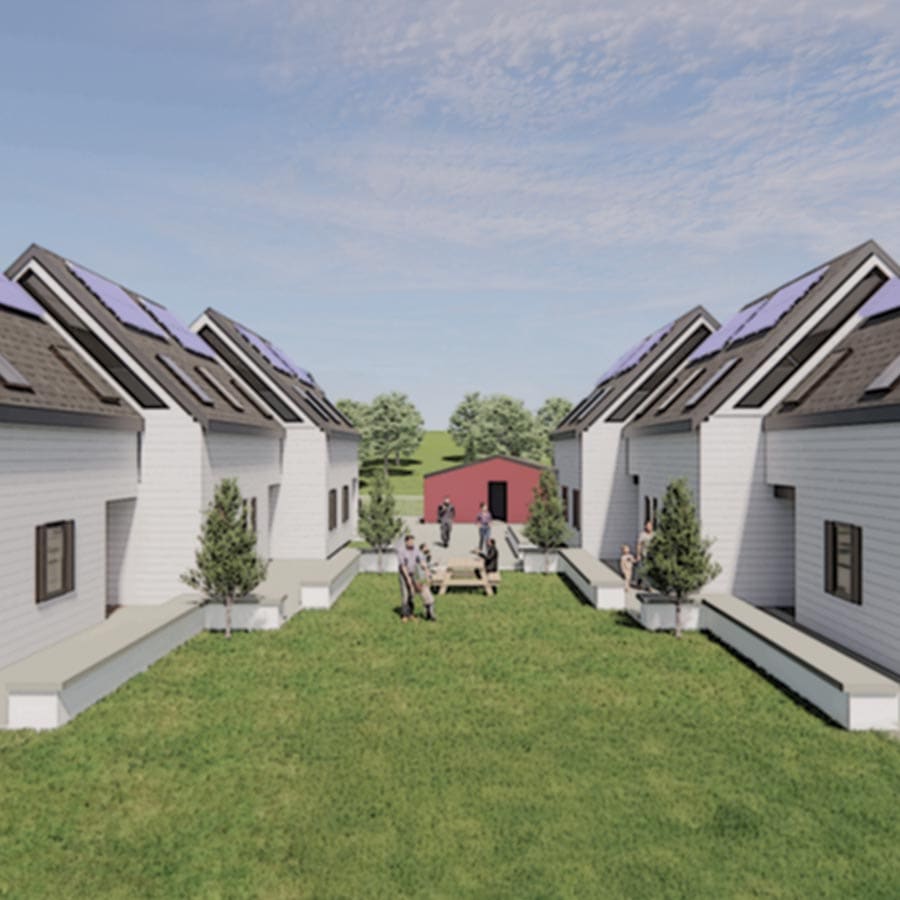
“With this strategic direction in mind, we were able to engage a group of graduate students through the Federal Home Loan Bank’s annual Development Competition. “Team Six”, comprised of students from Harvard, Clark University and UMass, created building schematics, development financials, and placemaking elements for a possible modular homeownership development in Putney. This is an innovative approach which, if it’s deemed feasible, may result in cost savings, waste savings, and rapid installation. It also has the potential for replication in the smaller towns of our region. It’s a really compelling concept, which is why Team Six placed third in the competition!”
As WWHT moves forward with its 2025–2027 Strategic Plan, the organization stands at the forefront of tackling Vermont’s housing crisis. With a clear vision, data-backed strategies, and a commitment to collaboration, WWHT is already pursuing a lasting impact.
“This plan in particular, with such detailed strategies and tactics, is a really powerful tool for us, at a critical time when we really need it,” Elizabeth concludes. “It’s quite empowering.”
Princess’ Story:
Finding Home and Hope in Brattleboro
Princess arrived in Brattleboro about two years ago with few possessions and a simple desire to find her place in the world. A trans woman with a fierce creative spirit, Princess experienced a painful childhood marked by emotional abuse within her family. When her living arrangement in New Jersey fell through and left her without a home, returning to the toxicity of that family environment was not an option. It was then that a friend offered her a safe haven in Vermont.
With the support of her friend and a compassionate social worker, Princess navigated the complex web of applications for housing, disability and other types of assistance, and was soon on the waitlist for an apartment with Windham & Windsor Housing Trust. Last October, Princess moved into her one-bedroom apartment on Elliot Street.
“I didn’t expect it all to happen as quickly as it did,” says Princess. “Truthfully, it’s more than I could ever have hoped for.”
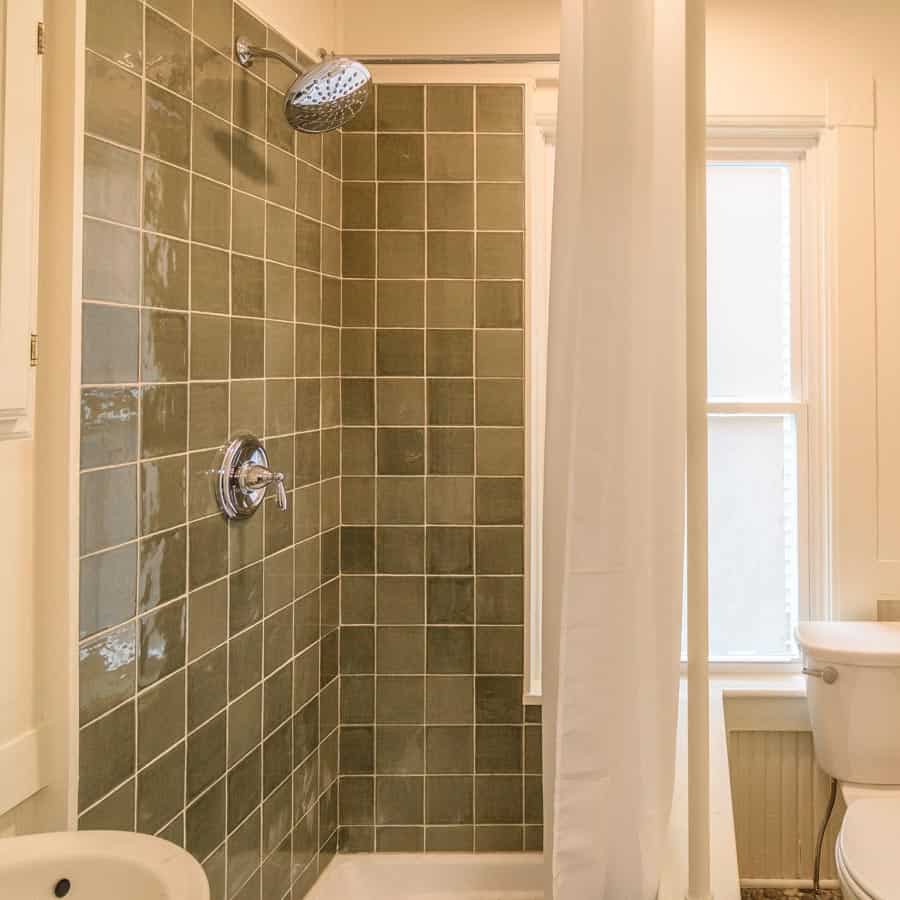
Inside her apartment, the joy is in the little things. The hot water comes on instantly, and there is really good water pressure. The natural light pours in. The heat is dependable. Her queen-sized bed is really comfortable. She also loves the convenient location in downtown Brattleboro, where everything she needs is within walking distance.





Much of what’s made this move so meaningful for Princess is the kindness and respect she has felt from Housing Trust staff.
“They have been so helpful and supportive,” she says. “They talk to me like an adult. If I mess up, they help, they don’t shame. That means the world to me.”
Above all, Princess treasures the life she’s been able to build within and around her new home. She has begun to form bonds with her neighbors, and looks forward to the warmer weather bringing folks outside. She is gradually filling her space with meaningful items, building a home that reflects her personality. From sketching clothing designs to sewing thrifted fabrics into new creations, she is embracing her creativity, and dreams of someday getting a drafting desk and a digital sketchpad.
“This move has absolutely changed my life,” she says. “It has taught me how to be more confident in myself and the things I can accomplish. I’ve been set up to have such an amazing, happy life, surrounded by people who love me, in a space that I love, that is just for me.”
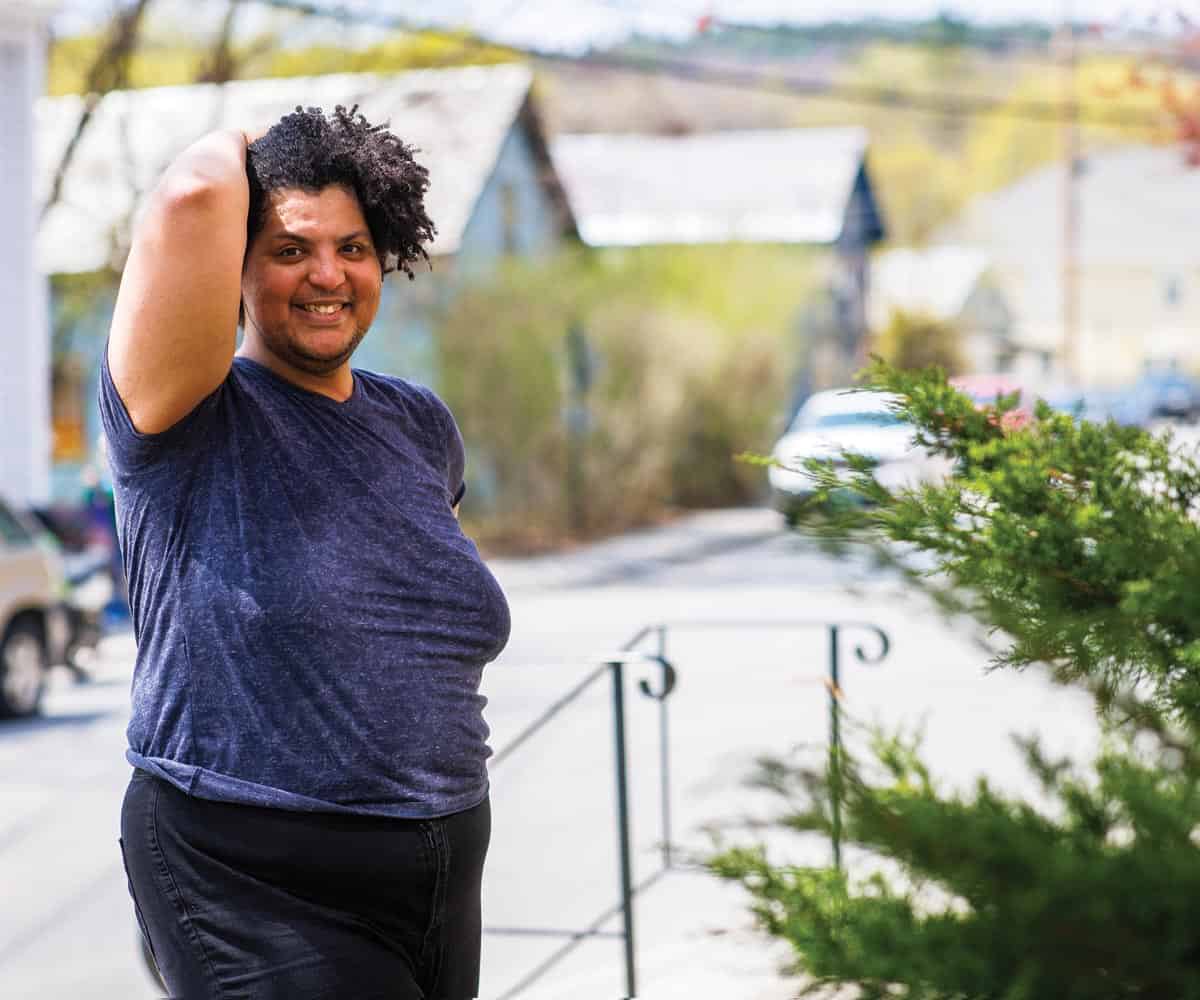
“It has taught me how to be more confident in myself and the things I can accomplish.”
RISING TO THE CHALLENGE:
Creating a Housing
Future for Windham
& Windsor Counties
Vermont needs forty-one thousand new homes by 2030.
So says the State’s latest housing needs assessment, which was released earlier this year and includes both rentals and owned homes. As developers and housing advocates across the state grapple with this monumental challenge, Windham & Windsor Housing Trust is deploying every possible resource, program and strategy within reach to address this critical need and create more homes in Southeastern Vermont.
The organization has a full array of housing strategies ranging from permanently affordable rental development, to shared equity homeownership, to the Vermont Housing Improvement Program (VHIP). Each strategy is unique, with different policy goals and funding sources, but collectively they all contribute to the same end result — a greater number of homes for Vermonters. Through this comprehensive approach, WWHT is on track to bring a significant number of housing units online in the very near future:
- 25 new apartments to downtown Windsor in Summer 2025;
- 25 new homes to Alice Holway Drive in Putney in Summer 2026;
- 70 new homes to Brattleboro by 2028 as part of the Chalet redevelopment, including 8 Shared Equity homes slated for homeownership;
- Additionally, since the launch of the VHIP program in 2020, dozens of vacant units have been rehabbed and brought back into the rental market each year.
What is it like to be on the front lines of so much housing creation? What does it take to keep the projects moving forward, and have an impact in the face of so much need?
Executive Director Elizabeth Bridgewater, Director of Housing Development Peter Paggi, Director of Homeownership Bruce Whitney, and Outreach Coordinator Marion Major weigh in on this immense challenge, on the value of WWHT’s programs, and why every home matters.
Our development of long-term permanent affordable rental housing really ensures that these community assets are going to remain affordable for generations to come.
13 Canal Street, Brattleboro

STRATEGY: Permanent Affordable Rental Development
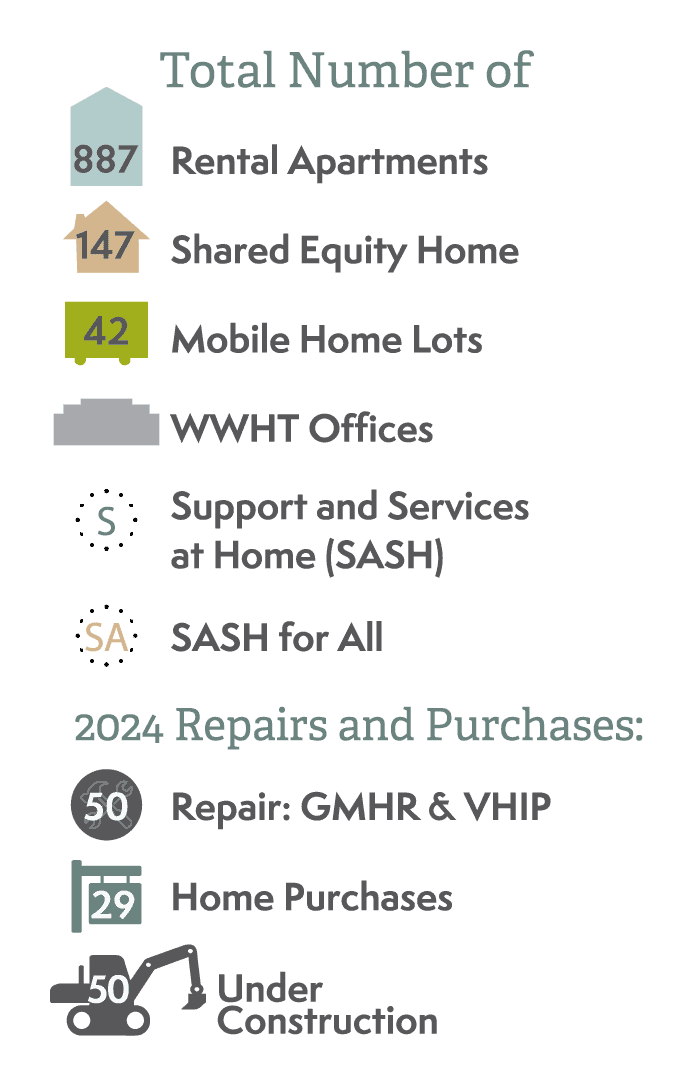
WWHT’s largest program — that is, the one that houses the greatest number of people — is their rental property portfolio, which currently leases over 887 permanently affordable apartments throughout Windham and Windsor counties, with 138 more in the pipeline. Every development — from new construction to renovation — incorporates durable materials, energy-efficient designs, renewable energy generation where possible, and accessibility features, ensuring sustainability over decades. Many also include environmental remediation due to contaminated urban soils — something that’s commonly found in downtown and smart-growth development areas.
“Our development of long-term permanently affordable rental housing really ensures that these community assets are going to remain affordable for generations to come,” says Peter Paggi, Director of Housing Development with the Housing Trust. “There’s a guarantee that we’ll have economic diversity in our communities as Vermont shifts and changes over the generations. This is unique to Vermont — in other states, the affordability terms out after 15 or 20 years which means many communities across the country are facing a cliff as their affordable housing essentially times out. We’ve actually stepped in in the past to ensure these communities are able to maintain stability and families retain their homes.”
An example of this is Westgate Housing in West Brattleboro. The 98-apartment development was originally developed by a private firm beholden to the 15 year affordability term of investors. When that term was coming to a close, the Housing Trust acquired the property in partnership with the resident board ensuring permanent affordability, housing retention and stability for this community, and strong representation in decision making by residents.
Financing these impactful developments takes a variety of sources making them public-private partnerships and resulting in state funds that leverage large amounts of private investments. Roughly 60% of the funding is through private investment with use of the Low Income Housing Tax Credit program. The remaining 40% is a combination of federal funding and state funds. This means the public dollars are invested in long-term, high impact community developments which, in turn, contribute annually to municipal and educational taxes.
“These are highly complex and often times difficult to develop properties,” says Elizabeth. “This is why the non-profit sector steps in, because of our mission. The sticker shock of construction is real, however, when you really dig in, you see the relatively modest state level investment per unit makes it possible for the private funds to invest in our communities.”
These projects not only create stable housing for low and moderate income residents but also address specialized needs. Peter explains, “We bring accessible units on the market every time we do a new project. Right now we’re looking at a project that could potentially serve people with developmental disabilities. That’s another nuance of larger scale affordable housing projects – they often target specific populations who will benefit in the long run.”
The everyday impact of projects like these are realized in stories like Princess’s. Elliot street where she lives was redeveloped decades ago but serves as a resource today allowing people like Princess to create a new, safe start surrounded by community without being pushed out by rising costs.

Exner Block, Bellows Falls
STRATEGY: Vermont Housing
Improvement Program (VHIP)
While WWHT’s rental development focuses on long-term affordability, the VHIP program is more geared toward increasing the number of available units quickly by rehabbing existing vacant housing units and bringing them back into circulation.
VHIP offers grants up to $50,000 for repairs needed to bring vacant units back online. It might involve adding new units to an existing building, or creating an accessory dwelling unit on an owner-occupied property. In Windham and Windsor counties, the program is administered through WWHT’s Homeownership Center and, in 2024, created new and rehabbed blighted homes totaling to 30 with more in the pipeline. In Windham and Windsor counties, the program is administered through WWHT’s Homeownership Center. In 2024 the program completed work on 30 homes through both rehab work and new construction.
“VHIP is particularly effective at leveraging existing infrastructure,” says Bruce. “We’ve seen projects where just a modest investment — like installing a sprinkler system — unlocks multiple units that were otherwise uninhabitable.”
The first year of the program saw 79 units rehabbed in WWHT’s service area — a far cry from the anticipated 25 units. “It turns out there was quite a lot of housing infrastructure out there that was able to be brought back online. We did that really well, and continue to do that really well since we’ve been involved in the program.”
Bruce points to a building conversion in downtown Brattleboro as an example of a successful VHIP project. “There were three or four vacant floors that had previously been office space. The owner used VHIP funds to convert that space into residential space.”
While these units only include short-term affordability guarantees, they do serve an essential role in increasing housing supply.
Alice Holway Drive, Putney
Central & Main, Windsor
Central & Main, Windsor
Alice Holway Drive, Putney
STRATEGY: Shared Equity Homeownership
The third key strategy in WWHT’s playbook is the Shared Equity Homeownership program, which provides a large down payment subsidy to income-eligible first time homebuyers. In return, the homeowners agree to share a portion of their home’s appreciation upon resale, maintaining affordability for future buyers.
“We have not done a lot of new construction in the Shared Equity space in the last ten years or so, but that’s changing now,” says Bruce. “Currently we’re looking at eight new units in the Chalet redevelopment, with even more projects in the pipeline.”
Shared Equity not only supports new homeowners but also stabilizes neighborhoods by ensuring economic diversity over time. Most importantly, it opens the door to homeownership for individuals and families who otherwise would never have the means – people like Stephanie, whose journey to homeownership appears in this report, and so many others like her.
“The impact on the person — the single mom with kids who owns her own home now — there’s no understating how life-changing that is for that family,” says Elizabeth.
PRESERVATION: Green Mountain Home Repair
A comprehensive strategic plan for housing includes not only developing new units, but preserving existing housing stock. That’s where the Green Mountain Home Repair program has a role. The Home Repair program helps homeowners address critical health and safety issues through low cost loans and project oversight. In case after case, the program serves as an invaluable resource that ultimately keeps people in their homes, rather than allowing Vermont’s aging housing stock to become uninhabitable due to deferred maintenance. 22 homes were retained through GMHR in 2024.
Bellows Falls Garage
Bellows Falls: A Case Study in Housing Diversity
The impact of WWHT’s multi-pronged approach to create housing is particularly visible in Bellows Falls. The town boasts a mix of affordable rental housing, Shared Equity homes, and other incremental development.
“Bellows Falls is a really great example of a community where all these different housing strategies are working in concert,” says Marion. “It’s so dense in terms of the land use in the village, so you can really actually see these side-by-side strategies when you walk around.”
Local community catalyst Robert McBride credits affordable housing efforts over the years with revitalizing the town. “Bellows Falls is actually gentrifying,” says Elizabeth. “The property values are going up. So it is interesting to think about economic diversity over time.”
Beyond policy and numbers, WWHT’s work is ultimately about people. Each new rental, each rehabbed unit, and each first-time homebuyer represents a life changed, a family stabilized, and a community strengthened. While the scale of the housing crisis may seem overwhelming, WWHT continues to push forward, leveraging every tool available to create lasting solutions. In concert with their colleagues and co-developers throughout the state, WWHT is making a tangible difference, one home at a time.
“It’s never enough,” says Elizabeth. “But it’s always a great day when a family receives the keys to their new home.”
Financials
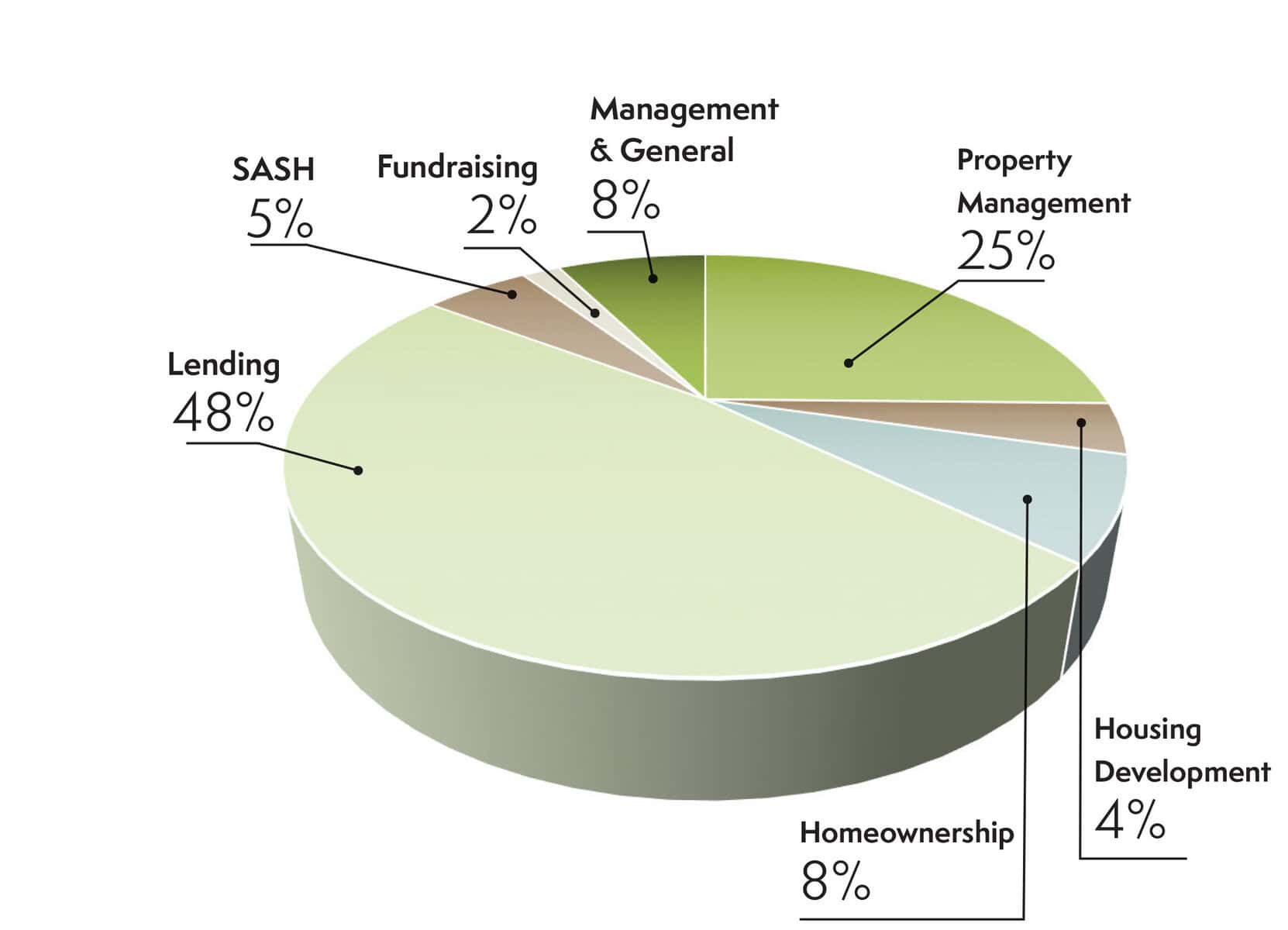
Statement of Activities
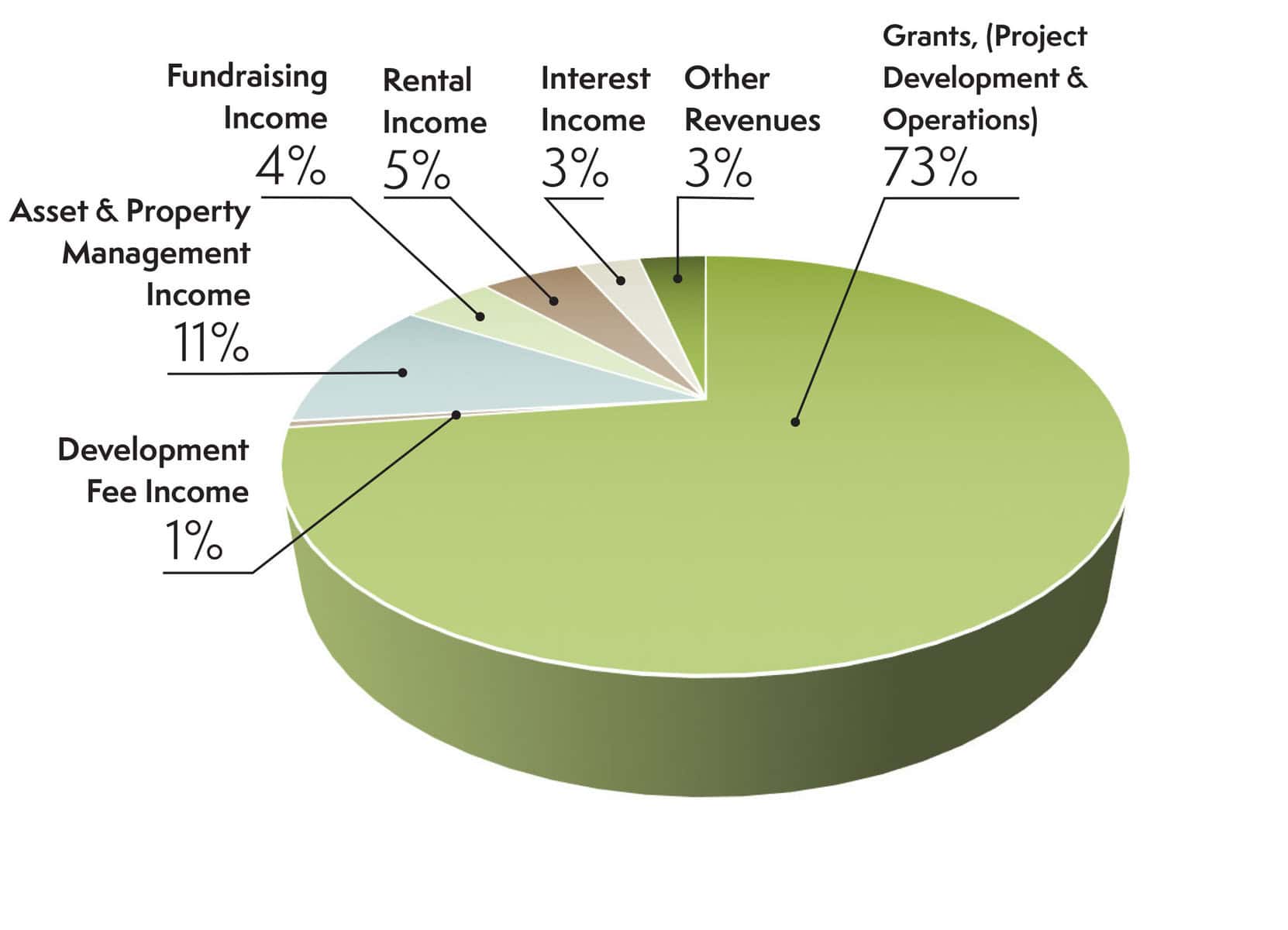
REVENUES
Donations
Individual Donations
Sponsors
For more information, click here to read the complete financial report for the year 2024.
Support Windham & Windsor Housing Trust
OUR STAFF
Building Fresh Starts
Joe Benoit, Maintenance Technician
Tara Brown, Lending Manager
Chuck Carriere, Facilities Manager
Kim Chewning, Asset Manager
Jenifer Cravinho, Multi-Family Program Assistant Coordinator
Jerry Freeman, Housing Rehab Specialist
Katherine Freyenhagen, Operations and Human Resources Manager
Sandy Garland, Finance Director
Morgan Gero, Leasing Agent
Tim Herzig, Staff Accountant
Rob Hoffman, Property Manager
Joyce St. Jean, Resident Services Manager
Lisa Kuneman, Associate Developer
Elizabeth Lachapelle, Property Manager
Elena Luring, Sash For All Coordinator
Mike Lynch, Maintenance Technician
Gary Murano, Maintenance Technician
Peter Paggi, Director of Housing Development
Jeremy Paquette, Home Ownership Program Coordinator
Susan Rousse, Manager of Property Managememt, Compliance & Leasing
Robert Tormaschy, Office Manager
Bruce Whitney, Director of Homeownership
Kristina Willette, Administrative Assistant
Katrina Willette, Accounting & Technology Specialist
Chris Zappala, Maintenance Technician
Jennifer Anderson, Sash Wellness Nurse
Molly Bennett, Sash Program Coordinator
Kayla Bernier-Wright, Homeownership Specialist
David Grobe, Home Repair Specialist
Paul Martorano, Multi-Family Rental Improvement Program Coordinator
Ana Mejia, Homeownership Specialist
OUR BOARD
LEADERSHIP Community
Resident Members
Anne Chapman, TREASURER
Ellen Snyder
Dora Urujeni
David Vandervert
Samba Diallo
Public Service Directors
Carol Buchdahl
Chuck Collins
Cynthia Gubb
Leo Schiff, VICE PRESIDENT
Kayenta Snide
General Community Members
Victor Morrison, PRESIDENT
Debbie Boyle, SECRETARY
Prudence MacKinney
Joan Weir
OUR BOARD
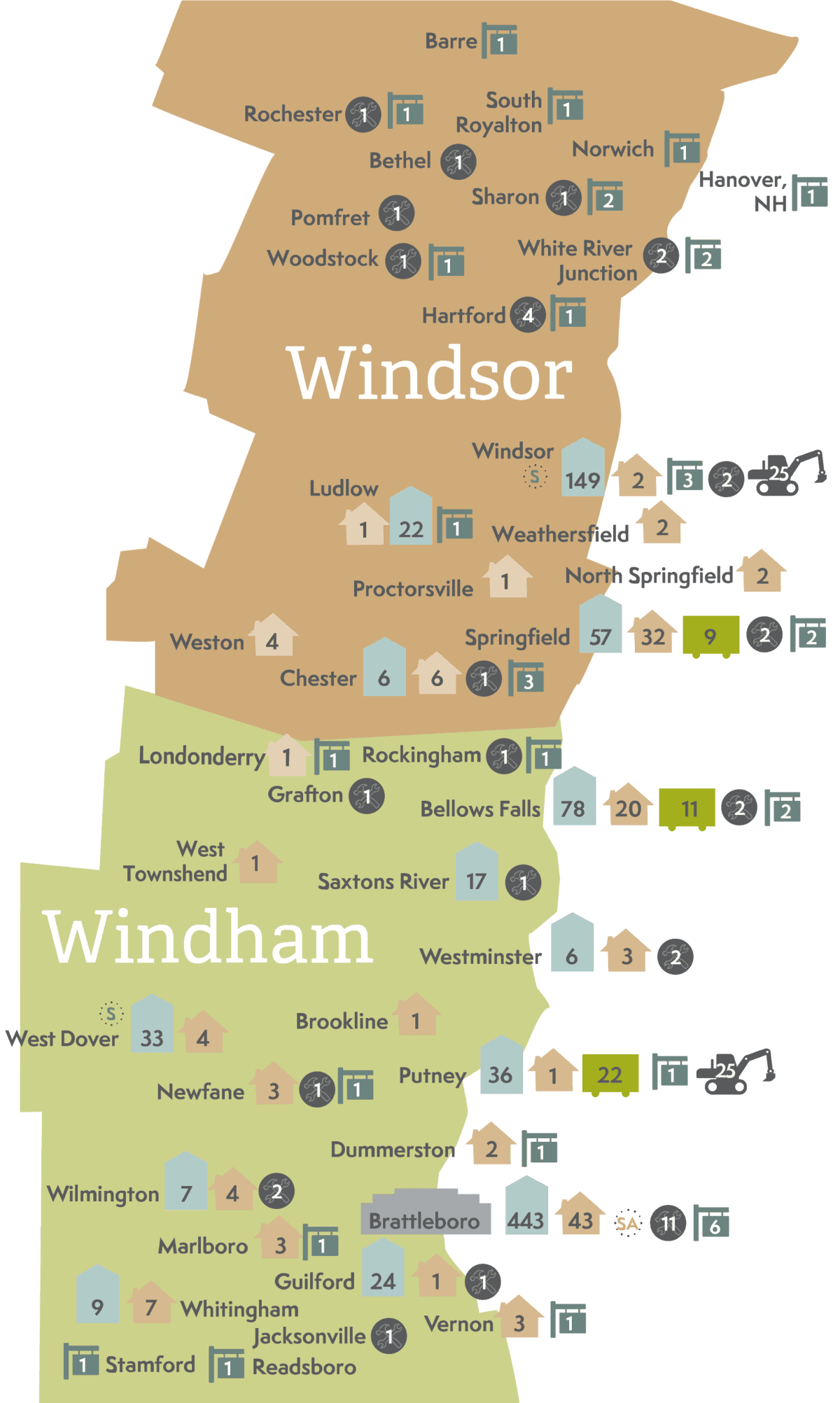
Housing Locations and Services
Areas We Serve
Design: lmwdesign.com | Photography: justinaltman.com and the Windham & Windsor Housing Trust
Design: lmwdesign.com
Photography: justinaltman.com and the Windham & Windsor Housing Trust